 Search
 Cart
Cart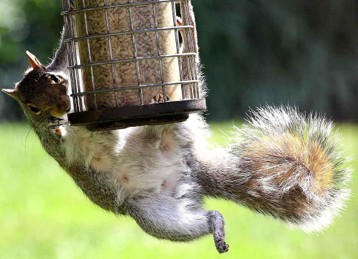
SQUIRRELS AND BIRD FEEDERS… A CHALLENGING COMBINATION!
By Kathy Torres
Squirrels are cute little creatures, but they can really be a nuisance! Known for feasting on bird seed, squirrels can take away all the joy of bird watching by snatching the seed away from the birds and totally disrupting the peace. Besides the fact that good bird seed isn’t cheap, the other problem is the intended recipients are missing out. Squirrels can knock down the level of seed in a feeder very quickly, spilling about as much as they are stealing. Because of their ability to reach high places and jump daring distances, it often seems that no bird feeder is off limits. There are, however, a few things you can do to solve this problem…it is not a hopeless situation.
First of all, an important fact… squirrels can jump anywhere from 5 to 7 feet! If possible, keep your feeder(s) 7 ft. from trees and 5 ft. off the ground, and you may not have any issues. To prevent access to your feeder, if you can’t quite adhere to these spacing requirements, try a
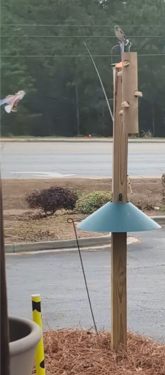
baffle. This piece of metal or plastic can go above or below a hanging feeder, and it creates an unsteady, smooth surface making it difficult for a squirrel to hang on. Alternatives you may want to consider are squirrel-proof feeders or seed that the squirrels don’t like.
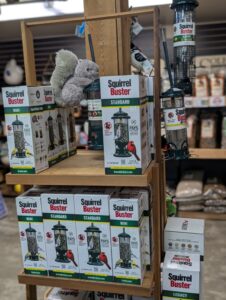
The Backyard Nature Center at Wingard’s Market has a year-round inventory of birding products including a line of squirrel proof bird feeders. The Squirrel Buster Sister Collection by Brome is a series of 3 sizes of feeders configured to eliminate access by squirrels. Openings in the shroud (wire net covering of the seed tube) align with the feeding ports, providing birds access to the food. When a squirrel climbs onto the feeder, its weight automatically forces the shroud down, closing access to the ports. Squirrels and some large birds are shut out but not harmed in any way.
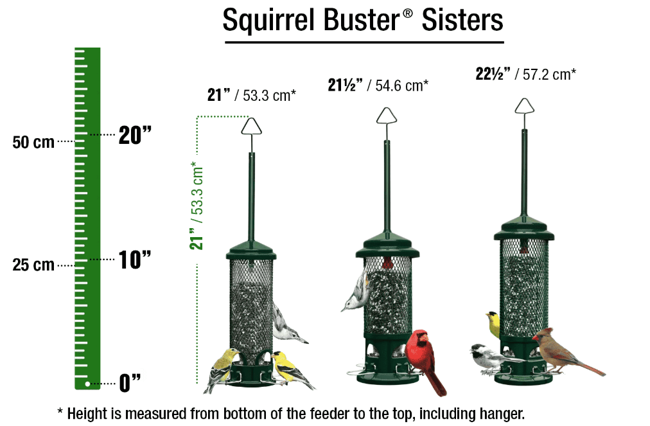 The seed ports have perches for perching birds and the wire shroud provides a surface area for clinging birds. This increases your bird traffic.
Transparent seed tubes trap solar energy. Conventional seed tube designs block the escape of the heated air. Brome’s patented Seed Tube Ventilation™ permits humidity and hot air to escape through vents at the top of the feeder and replaces it with fresh air. Bird food remains fresher, attracting more wild birds.

Lifetime Care is how Brome stands behind their products. Call them! A real person will answer the phone and gladly help you. Monday through Friday, from 9am to 5pm EST, except holidays.
All feeder parts exposed to squirrels are made with chew proof materials. All components are UV resistant. Feeders are designed to be dismantled by hand into individual components without the use of tools. This allows for easy cleaning and maintenance.
A patented weight adjustable spring mechanism controls how much weight the shroud will support allowing the birds to feed. Any additional weight will activate the closing mechanism.
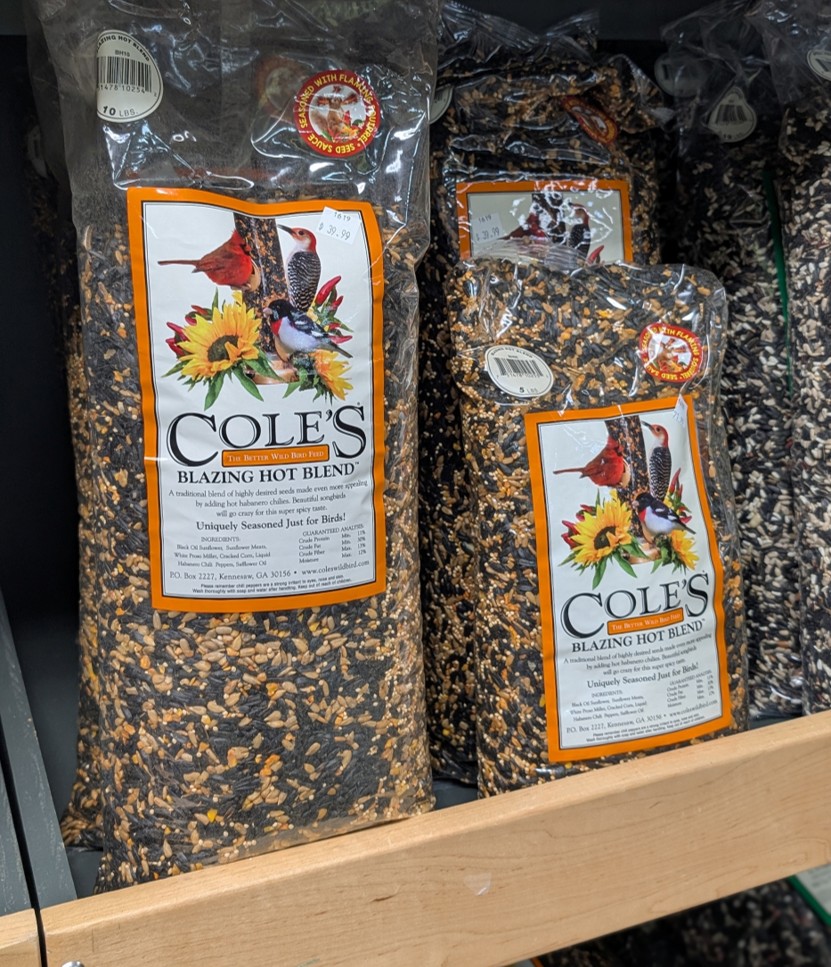
Another effective way to deter squirrels is to fill the feeder with something they don’t like…chili pepper. Cole’s Blazing Hot Blend was created solely for this purpose. A little science from Cole’s Wild Bird Products Company: the chili pepper plant evolved over time to be attractive to birds and distasteful to other animals that might look to make it a meal. When a bird eats a chili, the seeds remain intact and pass through the bird’s droppings where they are spread over a
wide area to grow and multiply, but the digestive tracts of mammals destroy the chili seeds when ingested. So, as a defense mechanism chili plants taste hot to mammals like people, dogs, squirrels, rabbits, etc., while birds cannot taste the heat at all. Cole’s also stands behind this science… there is no actual or permanent physical damage to the eye, nose, or throat tissues of any bird or animal that eats it. Saffron seed is also unpopular with squirrels, so this is another choice to use to discourage them.
In conclusion, by using a squirrel buster or a seed that is not pleasing, those pesky squirrels will go elsewhere for their food and the problem can be eliminated. You can then place a feeder just about anywhere (disregarding the distance from a tree or the ground). These product will allow you to truly enjoy watching the birds without interference from squirrels.
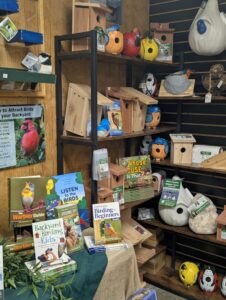
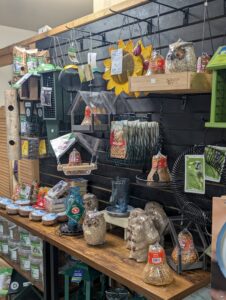
Spring is on the way, however our feathered friends are still relying on a little help throughout the remaining cold weather. A backyard bird feeder is a wonderful way to accomplish this, and the perk is enjoying these wildlife creatures all year long. You’re invited to come out and visit Wingard’s Backyard Nature Center to take a look at the many products available for birding. Talk to the Department Manager, Zach Steinhauser, about upcoming bird watching excursions. Here is a sneak peak of what is waiting for you!
THERE’S ALWAYS SOMETHING BLOOMING AT WINGARD’S!
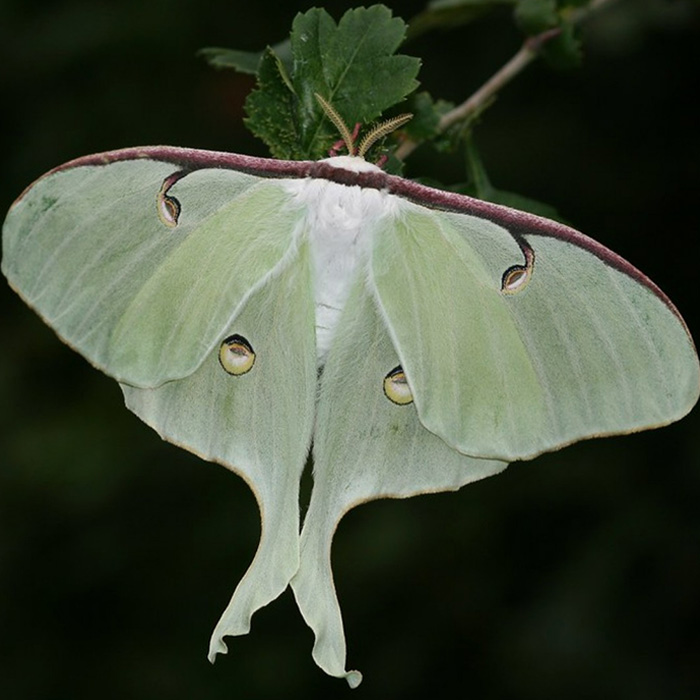 The Luna Moth is often considered one of the most attractive moth species in North America, relying on leaf layer for their pupal stage during winter hibernation. The journey begins when the female luna lays her eggs on the leaves of a deciduous host plant while the leaves are still on the tree. Typical host plants for luna moths are white birch, walnut, hickory, or sumac. When the caterpillars hatch, they feast on the leaves, growing and preparing for the next phase of life. When metamorphosis begins, the luna caterpillar spins a protective silk cocoon incorporating the very leaves she’s been feeding on into the cocoon. As autumn progresses and leaves begin to drop, the cocoon falls to the ground. In the accumulating leaf layer, it finds camouflage and protection, safely hidden away from potential predators. Moisture retained in the leafy blanket is crucial for development of the moth. Without it, pupating moths will lose weight rapidly and will produce fewer eggs after emerging as adults. Luna is not the only moth dependent upon this environment. Actually, 94% of moths pupate in cocoons in this way.
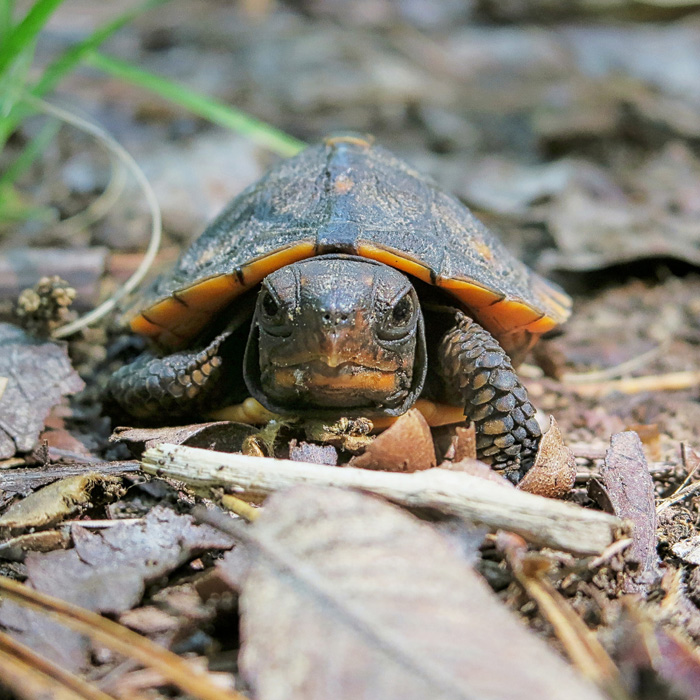 The Eastern Box Turtle has an interesting relationship with leaf layer in our gardens and forests. Typically, they are active from April to October, often finding old leaves to camouflage the soil depression where they have laid eggs. As winter approaches, they begin their brumation (a type of hibernation specific to reptiles). This takes place just below the soil surface, usually no deeper than 2-6 inches. A leafy blanket offers them insulation needed to survive as temperatures decrease, even down to a chilly 31°F.
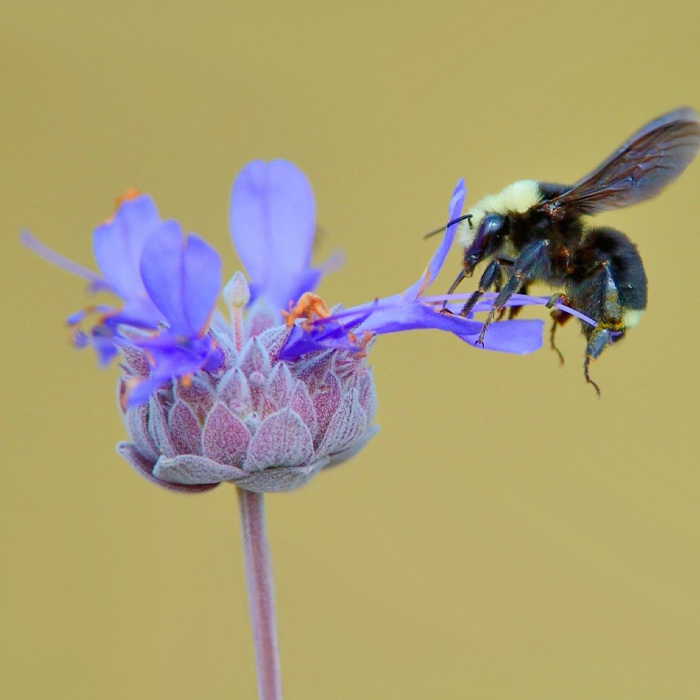 Yellow-Faced Bumble Bees, like most other bumble bees, operate in small colonies that follow a one-year cycle. As summer fades and temperatures drop, a dramatic shift occurs within the colony. Workers and males, having played their roles, will perish with the onset of winter. Only newly mated queens will survive until the following spring. Survival for these queens depends on finding a safe place to endure the cold months. Leaf piles provide a hibernation site as the queens burrow down just a few inches below the soil surface. Insulation provided by leaf cover is critical to survival and the ability to continue the life cycle when they emerge in April or May. Each queen is responsible for establishing a new colony, which can house up to 300 worker bees at a time. The loss of even a single overwintering queen can mean the absence of an entire colony the following year. Because bumble bees are incredibly efficient pollinators, the potential impact on plant pollination is extremely significant.
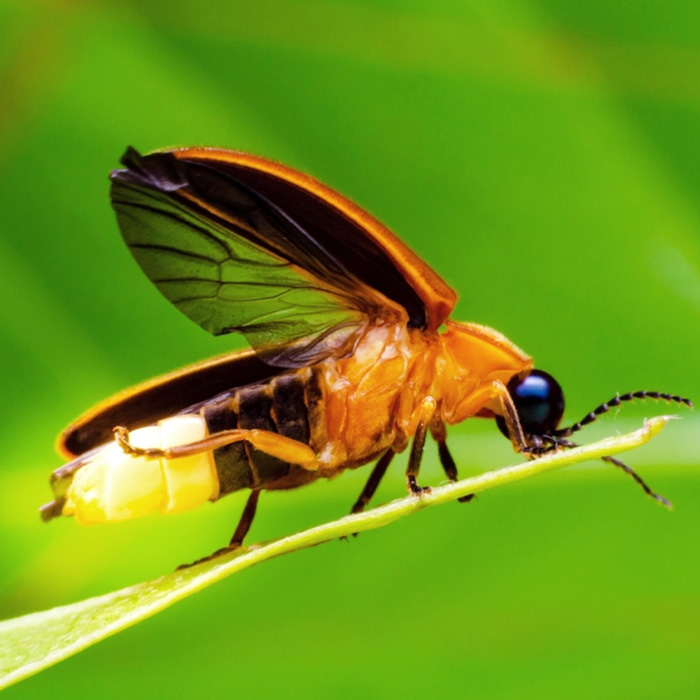 Did you see Fireflies lighting up your backyard this past summer? Probably not, and that’s because you likely bagged up all those fall leaves and put them by the side of the road for the garbage collector. Unknowingly, you removed all the juvenile fireflies from your yard too!
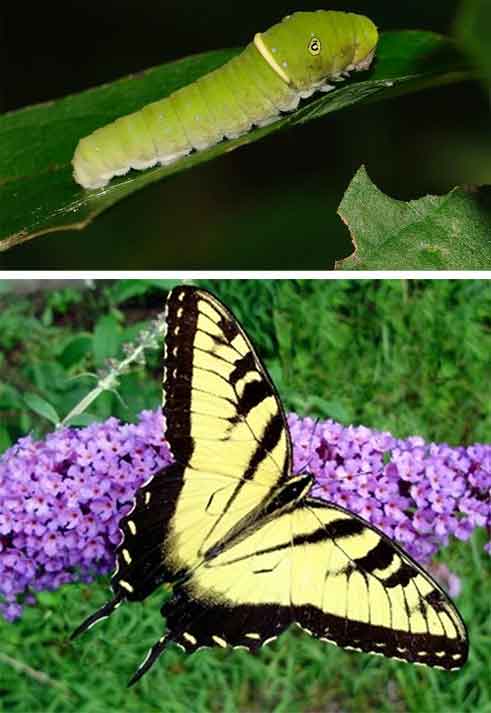
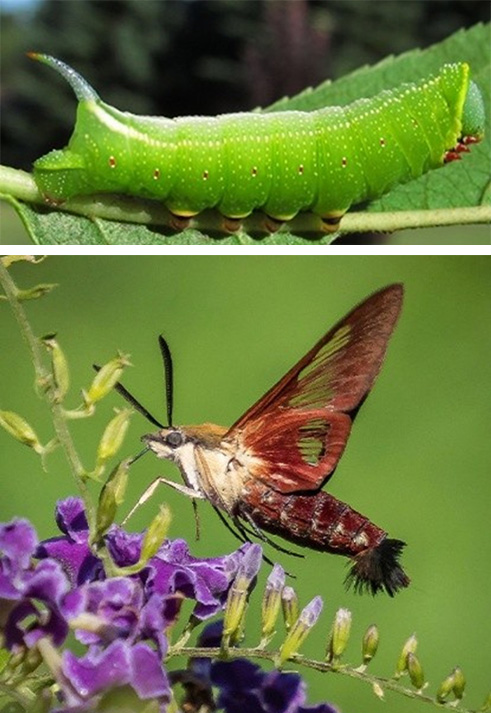 Brie Arthur writes on the topic, Are Caterpillars Pests or Pollinators? You Might Be Surprised. A best-selling author, nationally recognized speaker and horticulturist, you can learn more about Brie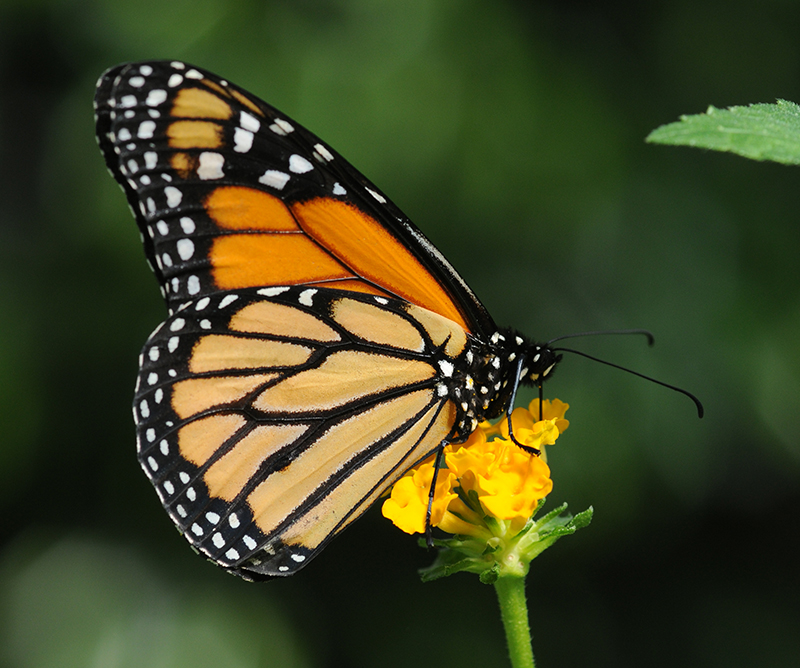


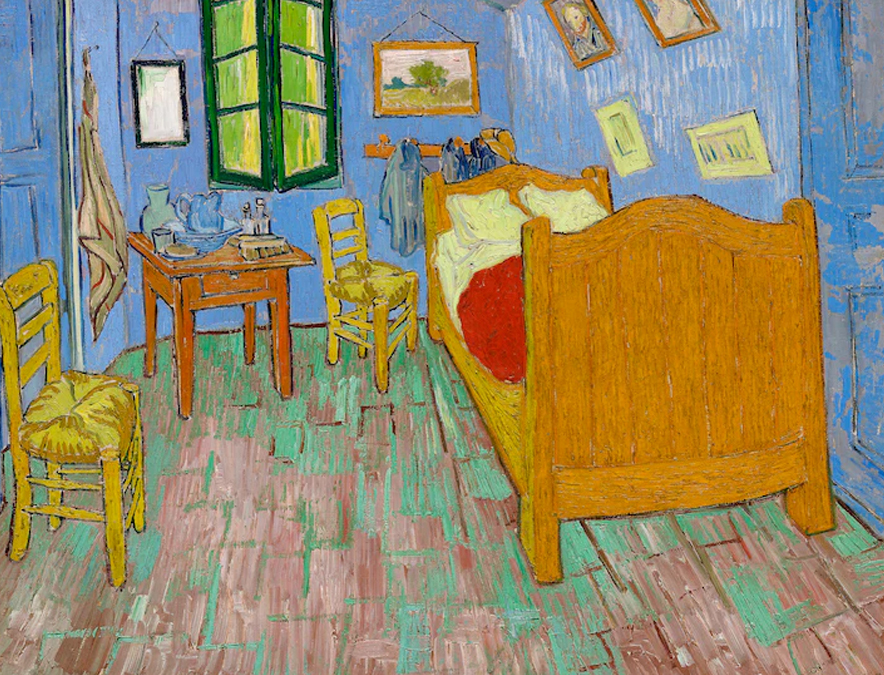
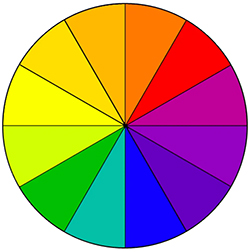 Interior décor is absolutely a result of the designer or owner’s personal taste in terms of color, however, to achieve interest, balance, warmth, drama, etc., using complimentary color combinations or various tones of the same basic color are necessary to create a visual that is pleasing to the eye. Typically, contrast or complimentary colors come into play through wall and trim colors, or accompanying linens, accent pieces and art.
 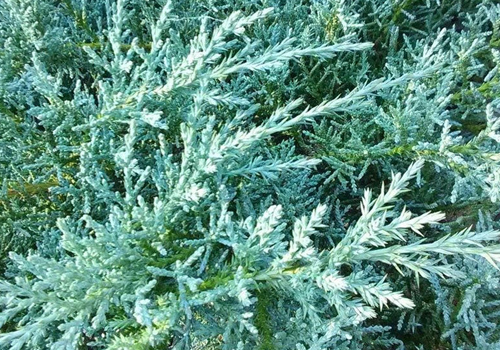 Angelica Blue Juniper
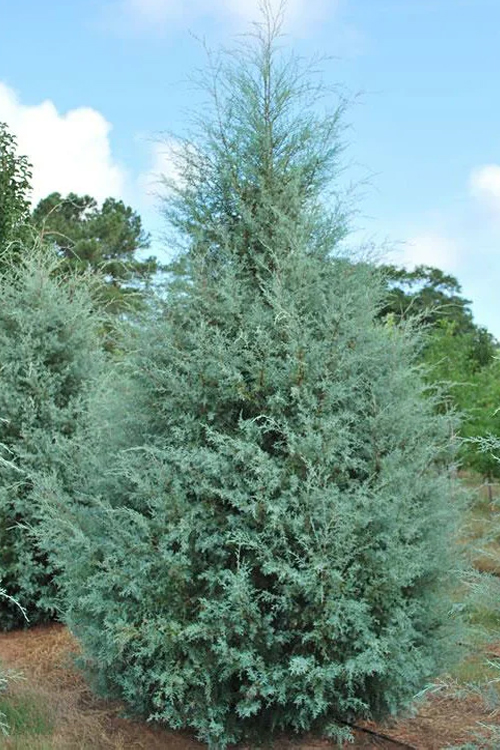 Carolina Sapphire Cypress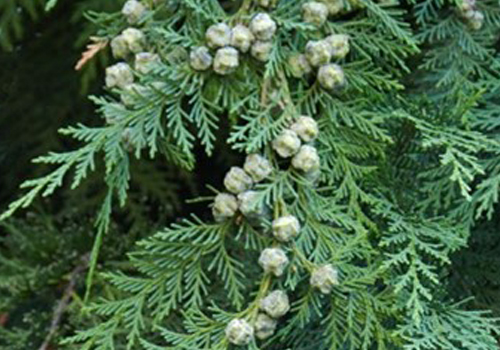
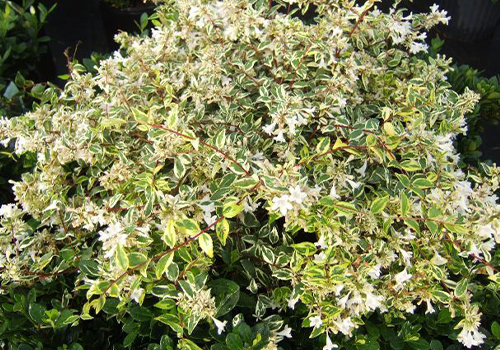 Radiance Abelia
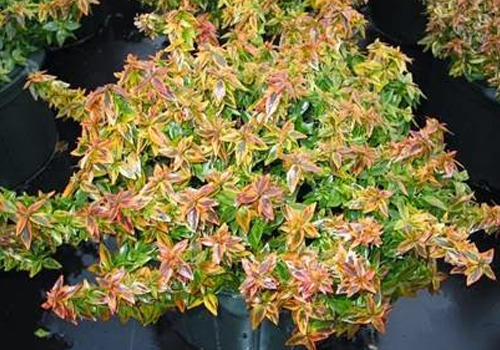 Kaleidoscope Abelia
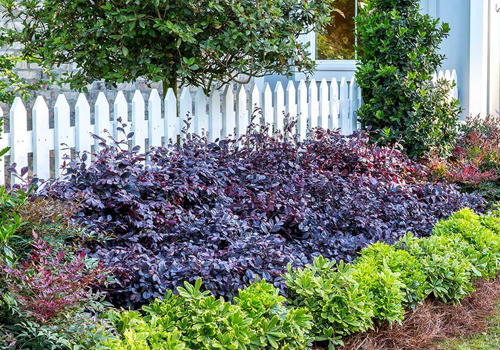 Loropetalum
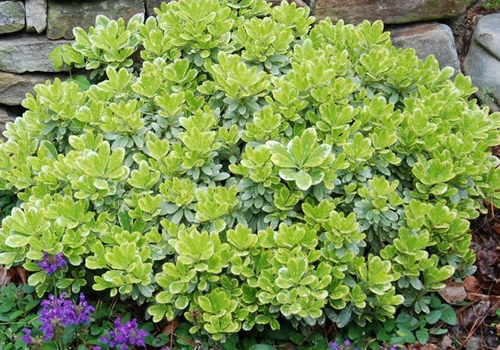 Mojo Dwarf Pittosporum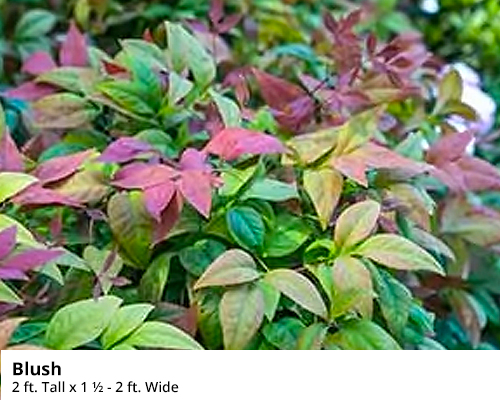
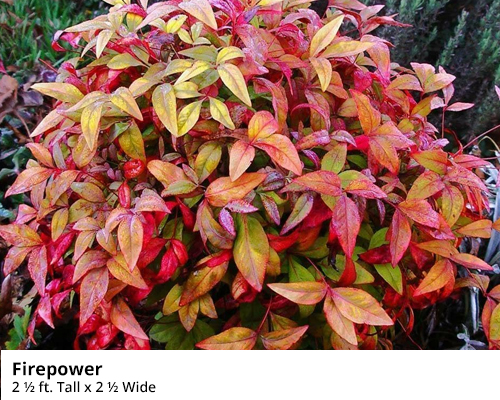
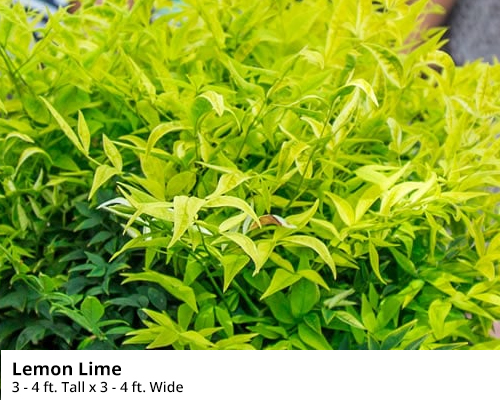
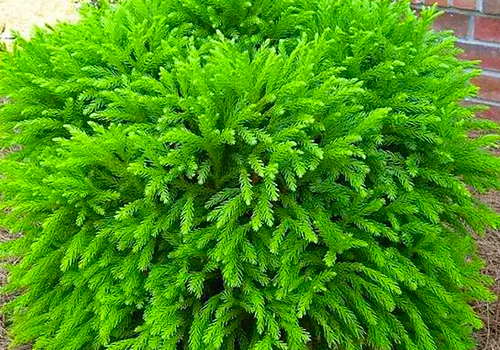 Cryptomeria ‘Globosa Nana’ AKA Japanese Cedar
 By Kathy Torres